March 2026

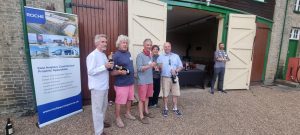
Thank you to everyone that attended the second week of our annual Pimm’s and Pétanque event at Hoveton Hall.

Thank you to everyone that attended the first week of our annual Pimm’s and Pétanque event at Hoveton Hall.
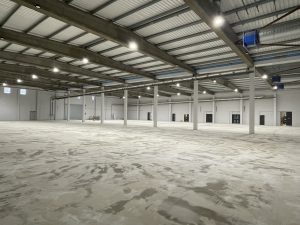
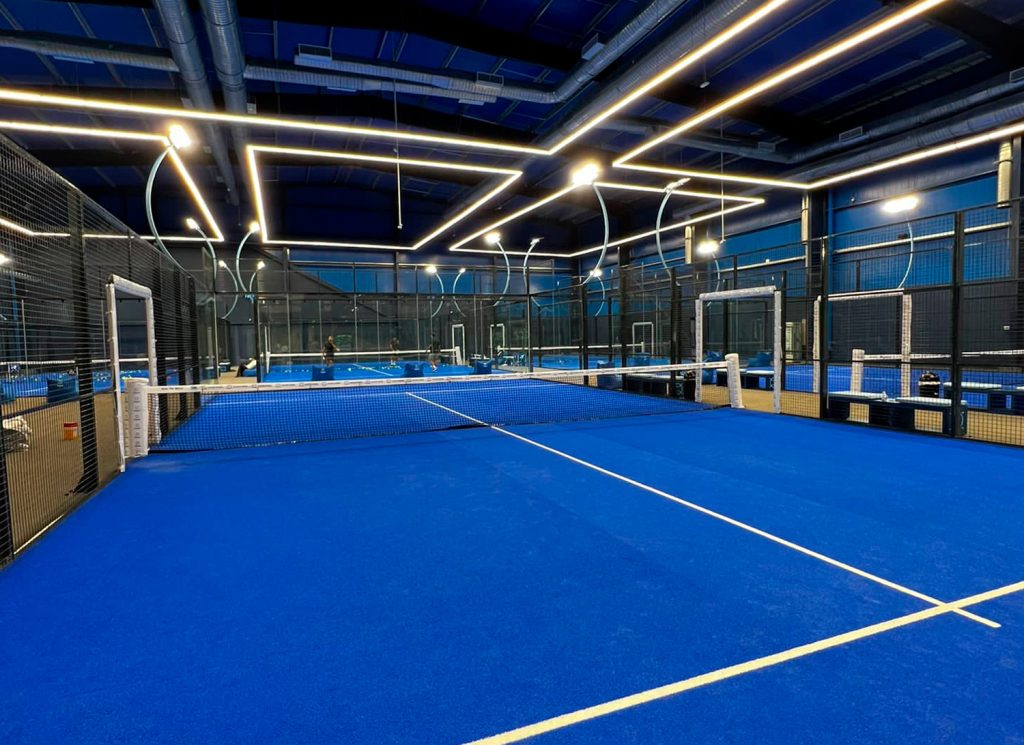
Roche has acted for the Landlord in securing a new lease to Court de Padel which will be Norwich’s first dedicated indoor padel centre.
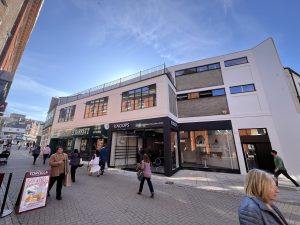
Roche’s Project and Building Consultancy team have delivered a major refurbishment of a prominent 5,800 sq ft Norwich City Centre retail property.
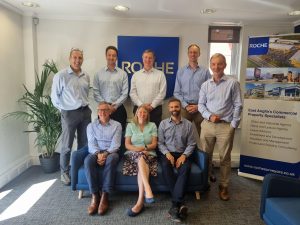
We are excited to share several significant promotions and leadership changes, reflecting the ongoing growth and evolution of our team.
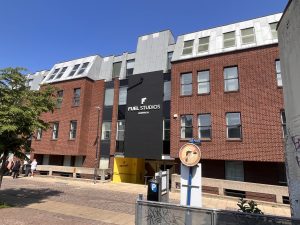
Roche’s Project and Building Consultancy team undertook a full RICS compliant due diligence survey of the property, teaming up with external Mechanical and Electrical engineers to provide a report.
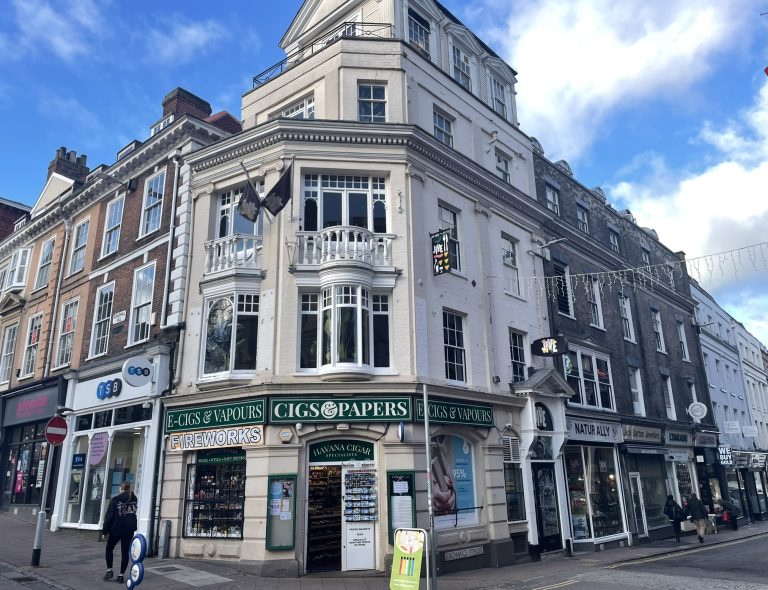
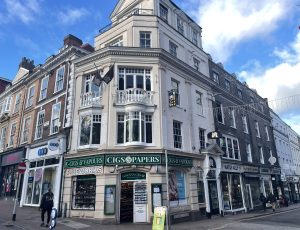
Roche Retail is pleased to announce the successful sale of 2 – 4 Exchange Street, Norwich to a local investor. The prominent commercial investment comprises six retail and restaurant tenants and is located in a prime position in Norwich city centre at the junctions of Gentlemen’s Walk, London Street and Guildhall Hill, whilst opposite Jarrolds Department Store.
The sale represents an excellent outcome for Roche’s client and underscores the continued demand and resilience within the retail investment market in Norwich.
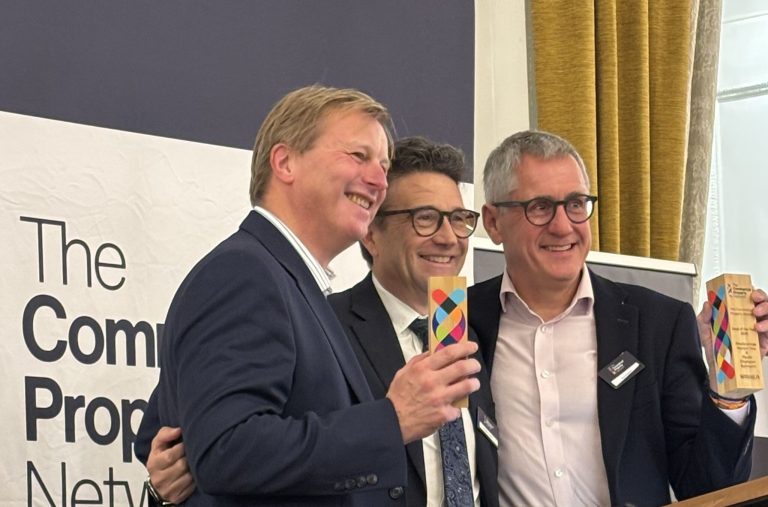
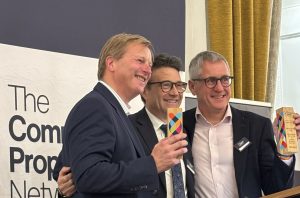
Roche Surveyors has been recognised with the coveted “Deal of the Year” award at the recent Commercial Property Network Annual General Meeting, celebrating the firm’s outstanding achievement in brokering the sale of Ellough Industrial Estate.
The award highlights Roche Surveyors’ expertise in delivering complex transactions that bring significant value to clients and the wider commercial property sector. The sale of Ellough Industrial Estate, a strategically located site in Suffolk, was praised for its scale, impact, and the skillful negotiation that ensured a successful outcome for all parties involved.
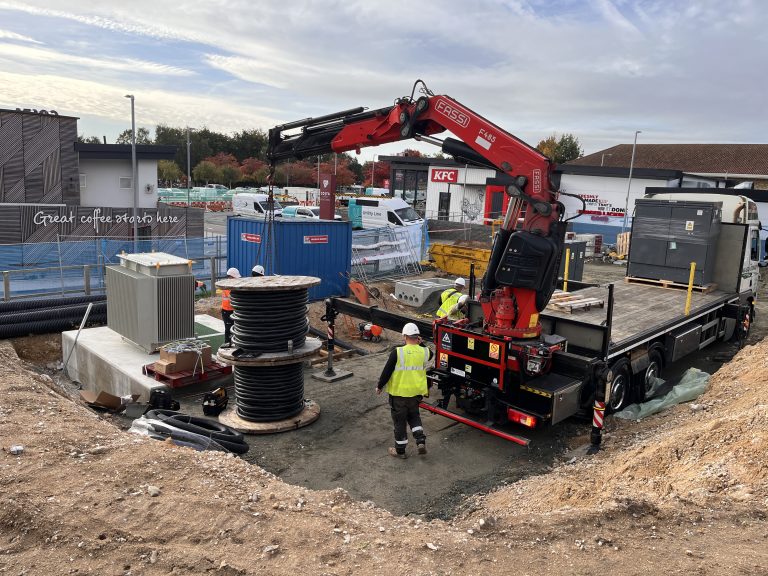
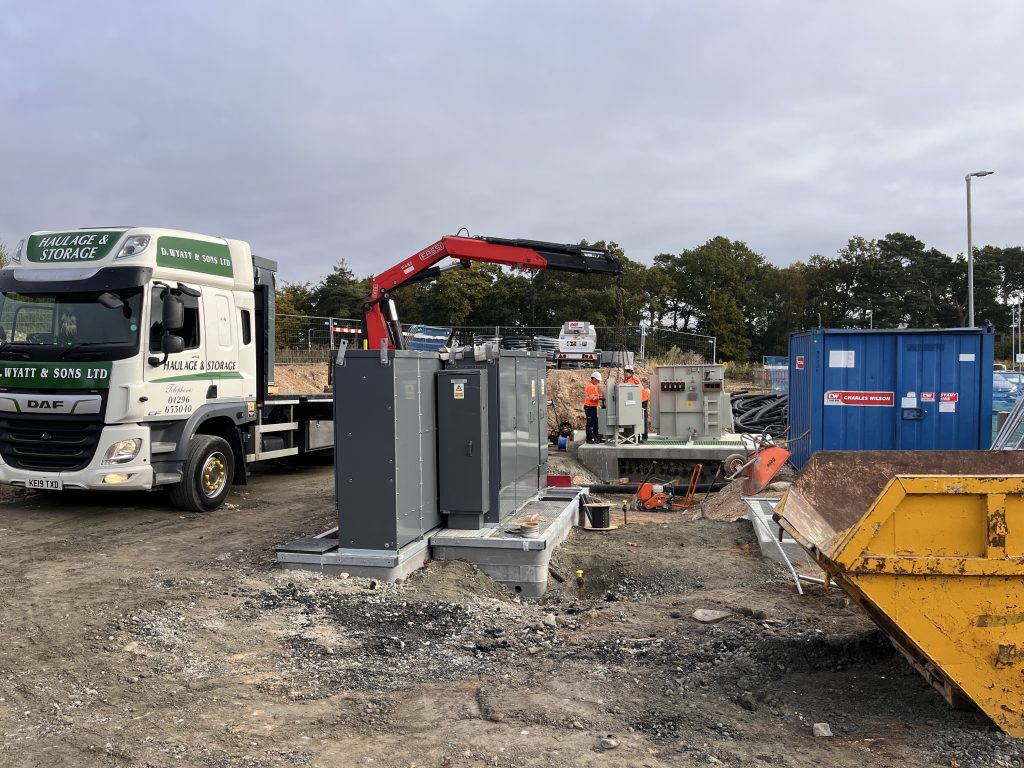
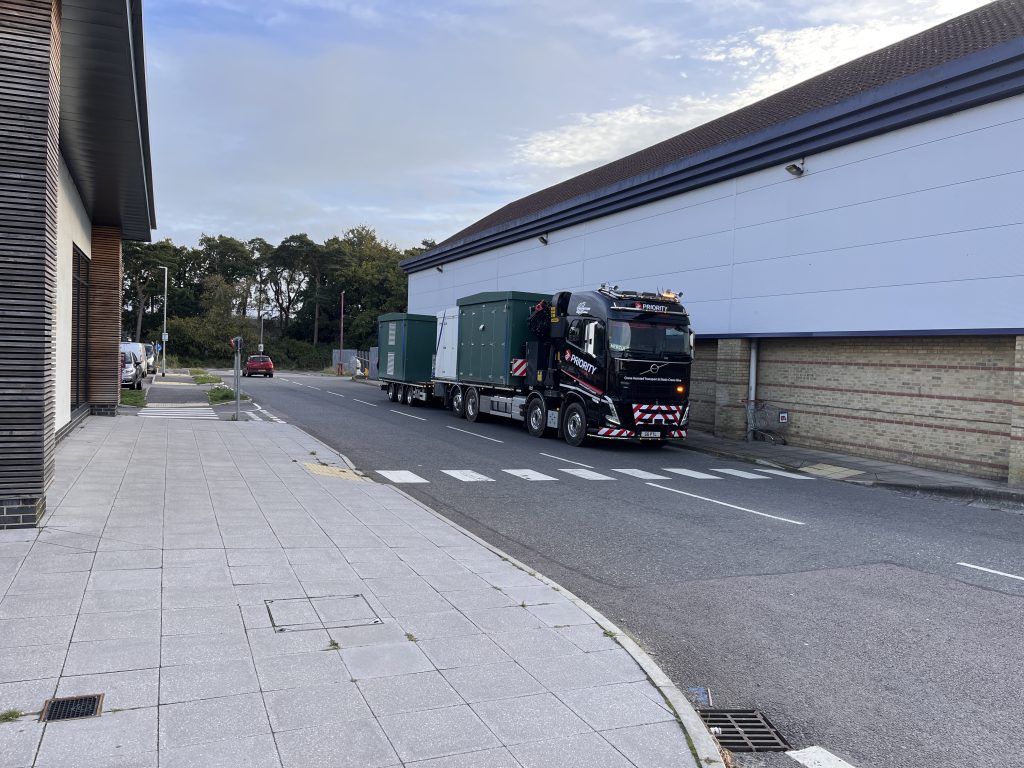
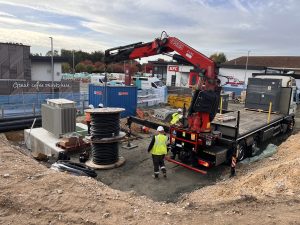
Roche Chartered Surveyors is pleased to announce significant progress on an exciting sustainability initiative at Forest Retail Park, Thetford. The firm’s Project and Building Consultancy department is managing the installation of 12 new rapid electric vehicle (EV) charging bays, supporting the growing demand for accessible, high-speed charging facilities across the region.
Following a month of preparatory works, substation and cabling works are now nearing completion, marking a key milestone in the project’s delivery. Once operational, the charging bays will provide convenient, high-capacity charging for visitors to the retail park, further enhancing the site’s amenities and sustainability credentials.
The letting of the charging spaces to Ionity, a leading provider of rapid EV charging infrastructure, was secured by Adrian Fennell, Retail Partner at Roche Chartered Surveyors. This collaboration highlights Roche’s integrated approach, with the Retail Agency and Project and Building Consultancy teams working seamlessly together to deliver a successful result for both the landlord and the operator.
“We’re delighted to see this project moving into its next phase,” said David Hall, Partner at Roche Chartered Surveyors. “Our Project and Building Consultancy team has worked closely with Adrian and his Retail Agency colleagues, as well as all project partners, to coordinate the installation efficiently and with minimal disruption to the retail park’s operations.“
Adrian Fennell, Retail Partner, added: “It’s been a pleasure to work with Ionity to secure the letting of the charging bays. The project not only strengthens the retail park’s offer but also supports the growing demand for sustainable transport options on this very busy A11 gateway linking Norfolk to Cambridge and London.”
The new charging facilities are expected to be operational later this year, representing another step forward in supporting greener, future-focused developments across the East of England.
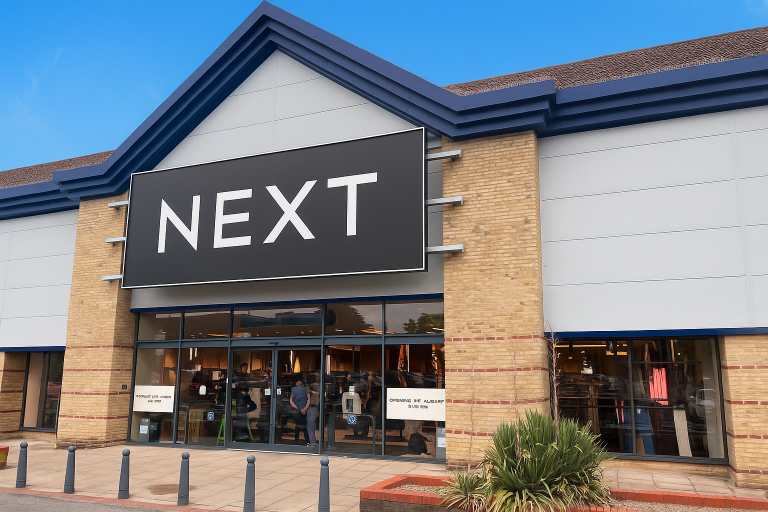
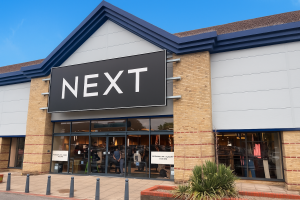
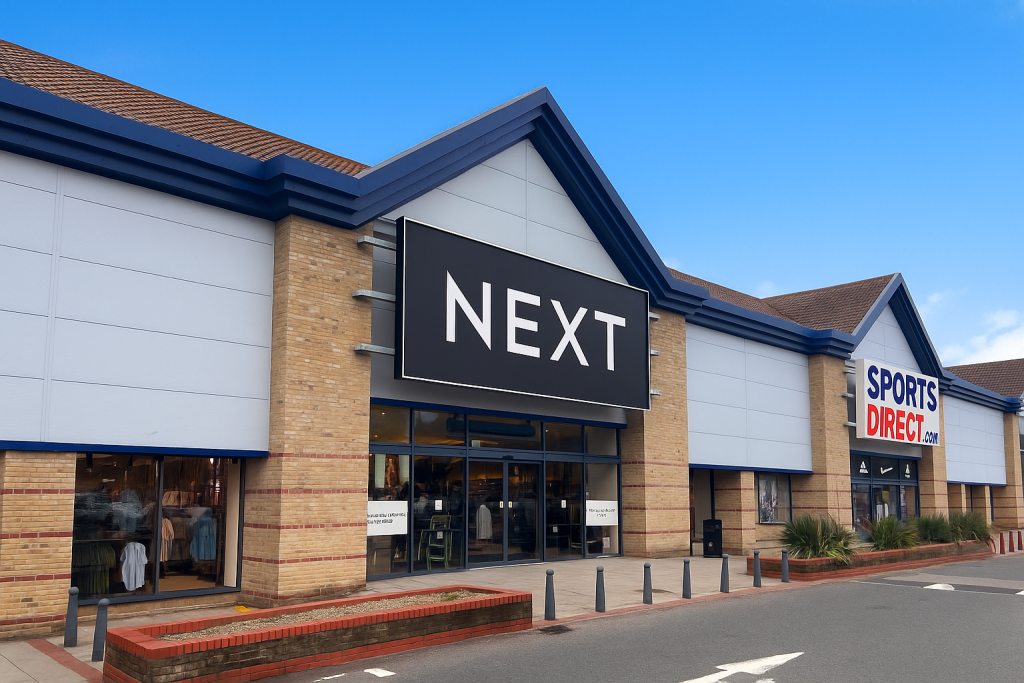
August 2025. Roche Chartered Surveyors is pleased to announce the successful completion of landlord’s works to a 7,500 sq. ft. retail unit at Forest Retail Park in Thetford, enabling the opening of a new NEXT store.
The project was delivered by Roche’s Building Surveying department in collaboration with Goodfellow Construction. All works were completed to a high standard, on time, and within budget, ensuring the premises were ready for NEXT’s latest retail offering.
“We are delighted to have supported NEXT with the successful delivery of this project and proud of the excellent collaboration between our team and Goodfellow Construction,” said David Hall, Partner at Roche Chartered Surveyors.
The arrival of NEXT adds to the continued strengthening of the tenant base at Forest Retail Park, further enhancing its role as a key retail destination for the region.
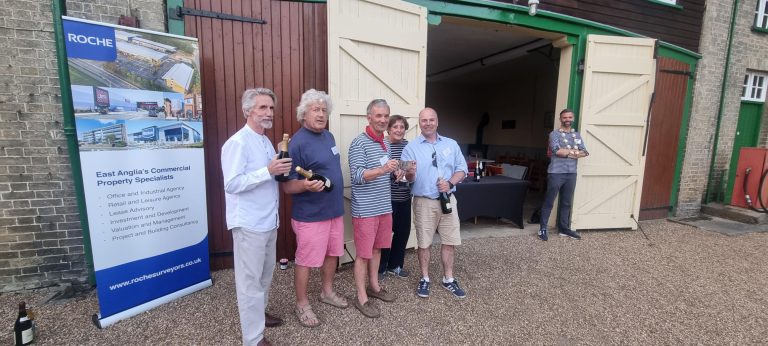
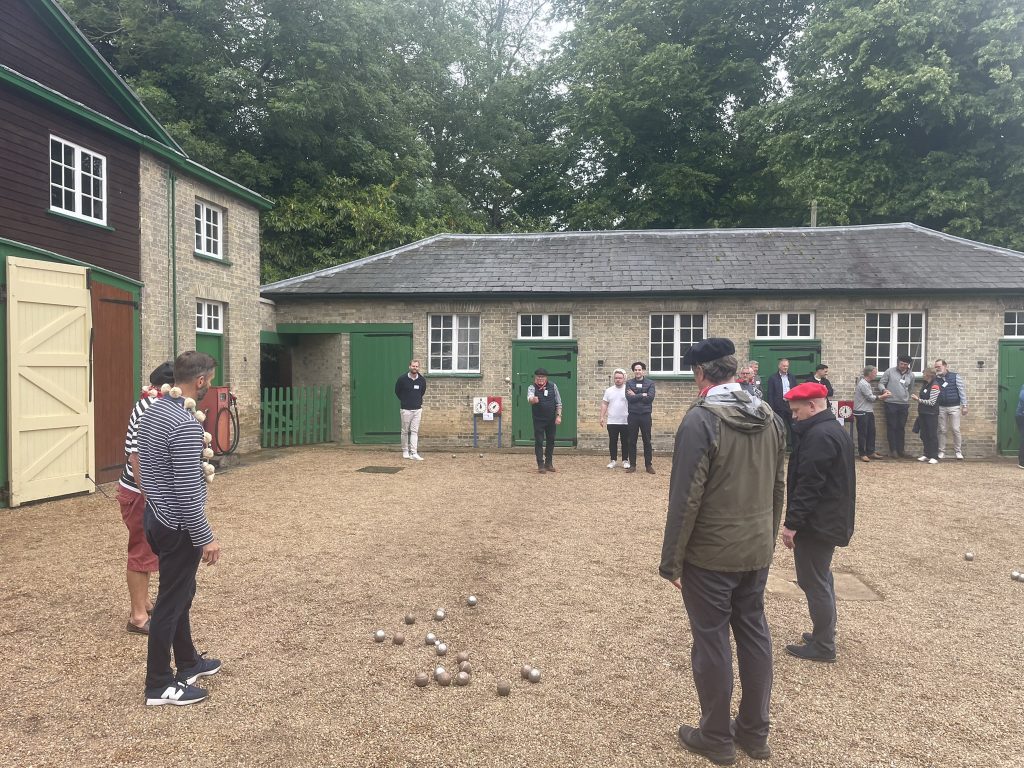
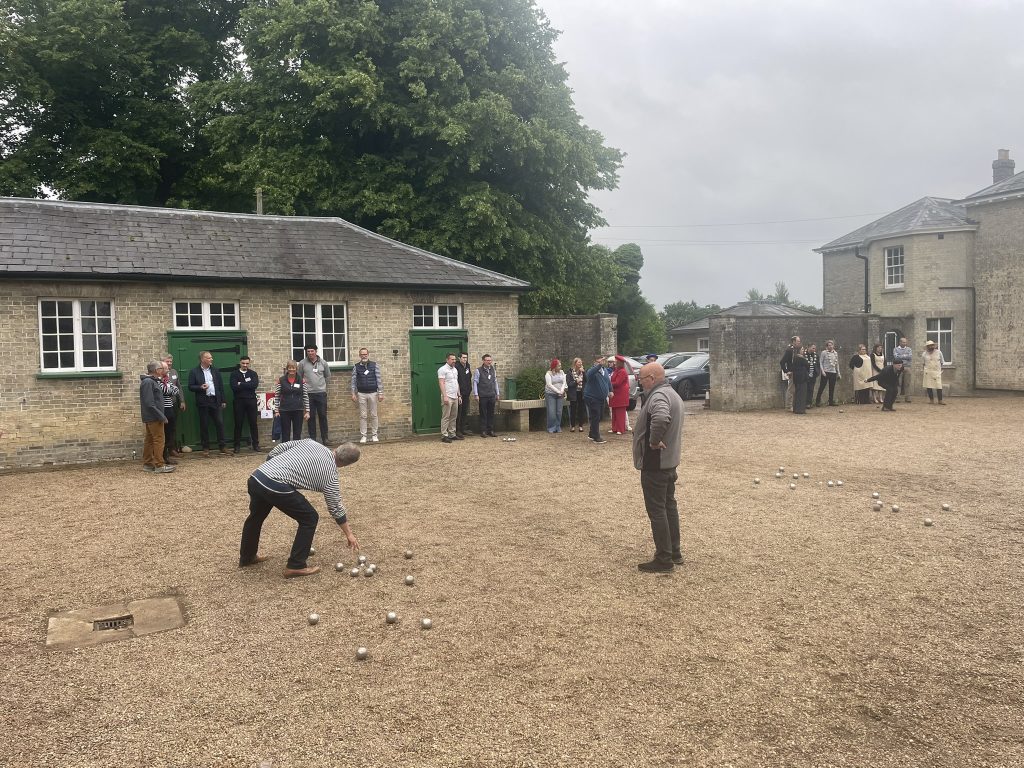
Thank you to everyone that attended the second of our annual Pimms and Pétanque events at Hoveton Hall in glorious sunshine last week to compete for the Roche Cup, first played for 30 years ago in 1995.
Congratulations go to the ‘Paris Pitchers’, the winning team of Adam Smith, Andy Howard, Alice Liddle and Chris Williams, appropriately captained by James Allen in his last competition as a member of the Roche team.
In an evening of light-hearted but keen rivalry, additional prizes were also awarded to Diane Harber, Tim Place, Chris Cubitt and Simon Watson for making the extra effort with their Gallic attire and being adjudged the best dressed players.
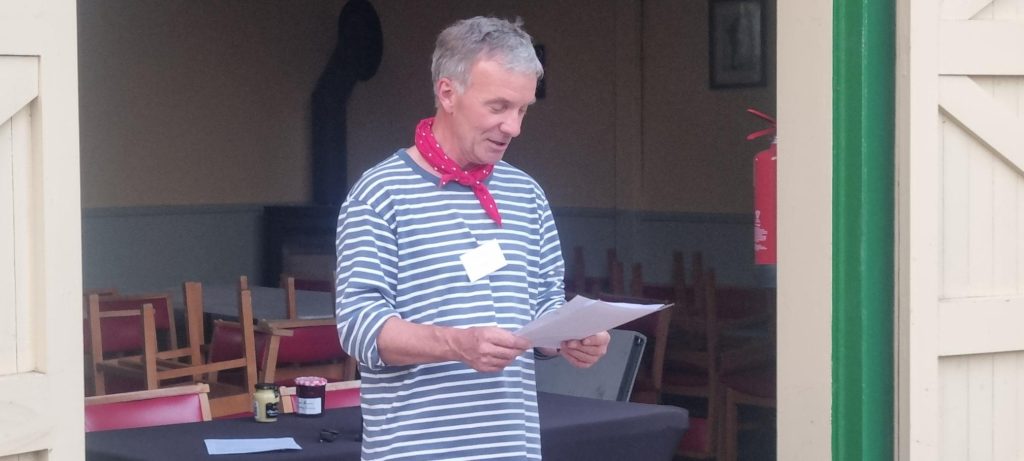
The guests included several Roche alumnae as well as James Allen’s clients and associates. James presented the prizes and gave a speech with anecdotes from his 35 years at Roche, thanking clients, professional contacts and colleagues past and present for their support over his career at the firm.
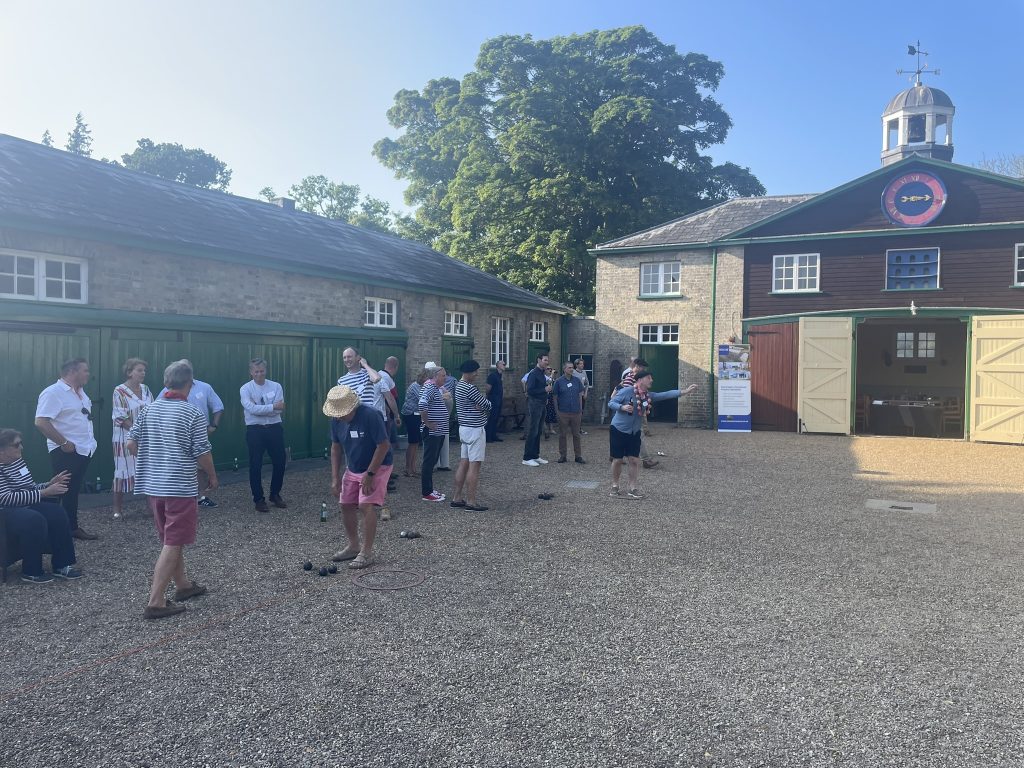
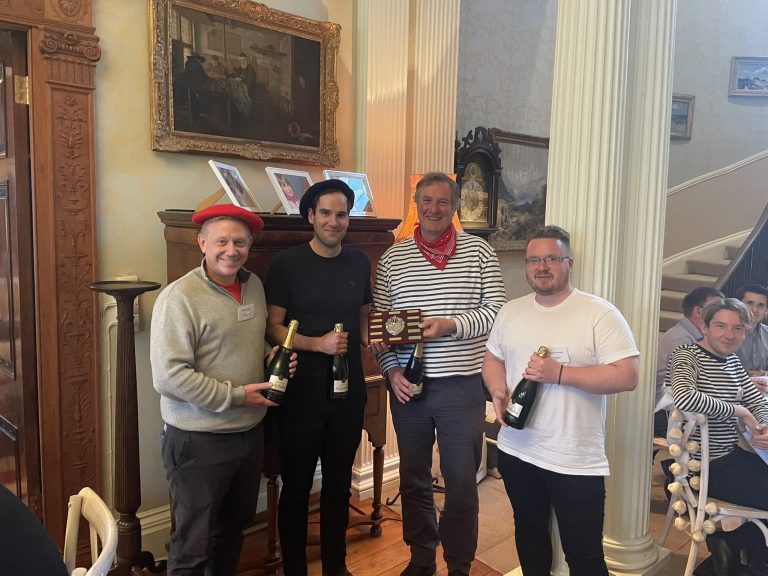
Thank you to everyone that attended the first week of our annual Pimm’s and Pétanque event at Hoveton Hall. Despite the forecast we ended up being incredibly lucky to be able to play all the games and run the event largely as normal, although the hand towels came in very handy.
Congratulations to the ‘Strasbourg Slingers’ team from Birketts, comprising Andrew Ridout, Thomas Maxey and Luke Gower, captained by the ever-competitive Adrian Fennell, for winning the Roche Shield. They have now achieved the rare feat of holding both the Shield and the Cup.
A special mention also to the ‘Bordeaux Bowlers’ team from Mills & Reeve (Callum Ross, Dani King and Amy Arkell-Hardwick) for making the extra effort with their costumes to be awarded the best dressed team.
We look forward to doing it all again next week and are keeping everything crossed for good weather.
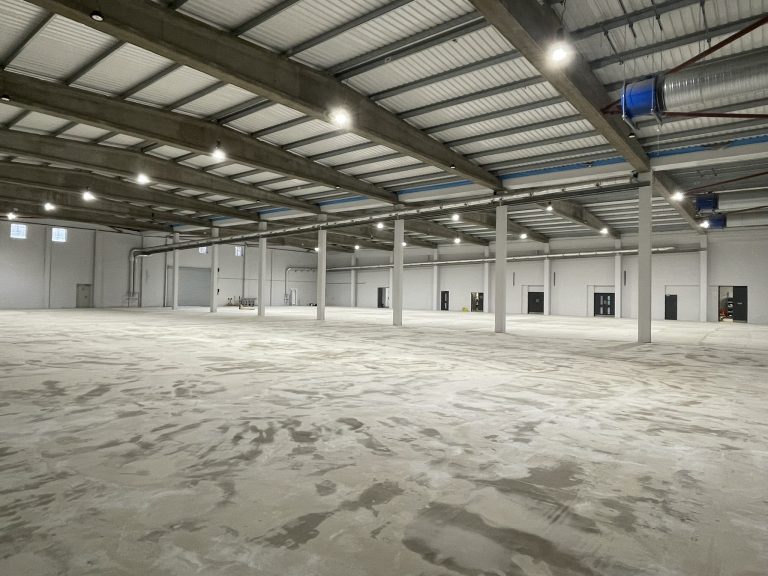
Roche Chartered Surveyors are delighted to have acted for the landlord in securing a new lease to Norwich’s first dedicated indoor padel centre. Court de Padel are expected to be up and running in the 29,000 sq ft property located at 5 Whiffler Road this September. The new centre will offer 6 doubles and 2 singles courts together with a social family zone.
Ben Common, Senior Surveyor at Roche said “This letting provides an exciting new leisure offering for Norwich and demonstrates the continued demand from national occupiers for industrial premises within the city. We were able to secure a long term lease for the landlord in a location that has now become a prominent leisure destination following the relocation of Highball Climbing Centre who are also located on site within the adjacent property”.
Managing Director, of Court De Padel, Alan Forsyth, stated, “It was great working with Ben at Roche to find the ideal location for our brand, and to house indoor Padel in Norwich. We believe this location, with ample parking, and close to the city centre and the University of East Anglia, will be the perfect location for us to provide an excellent Padel experience for Norwich. Our team are busy working away to ensure opening this summer.”

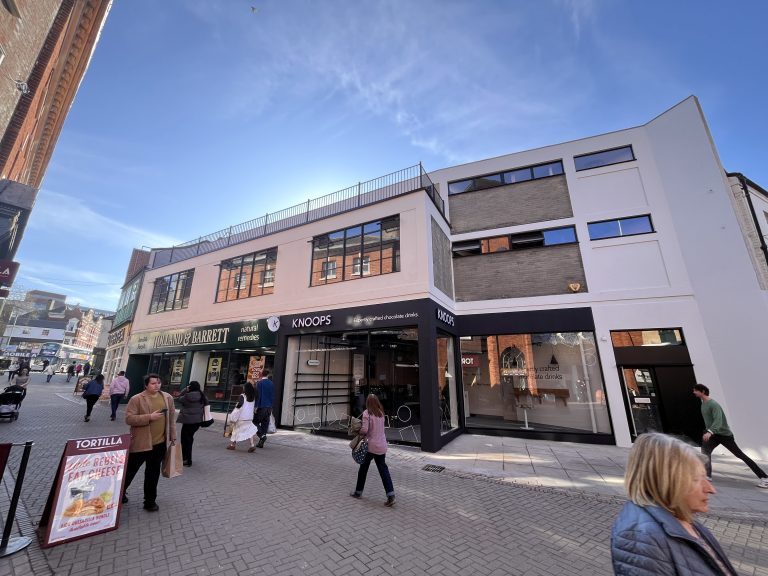
Roche’s Project and Building Consultancy team have delivered a major refurbishment of a prominent 5,800 sq ft Norwich City Centre retail property. The appointment included providing planning, design and project management of the scheme.
17-21 White Lion Street was formerly largely vacant with a dated frontage and difficult internal layout for efficient use of the space. Roche’s involvement has seen the external envelope comprehensively refurbished with balconies introduced to the upper floors to facilitate external seating and new windows and render applied to improve the appearance. The ground floor has had new shop frontage installed attracting the national high-end hot chocolate retailer Knoops to open their latest store.
The upper floors have been converted to open plan with planning permission for Use Class E, with the external balconies providing fantastic views over the city centre.
David Hall, Partner at Roche, said: “It has been great to be involved in a project to breathe new life into such a prominent city centre property and help retain the vibrancy of the Norwich retail scene. ”
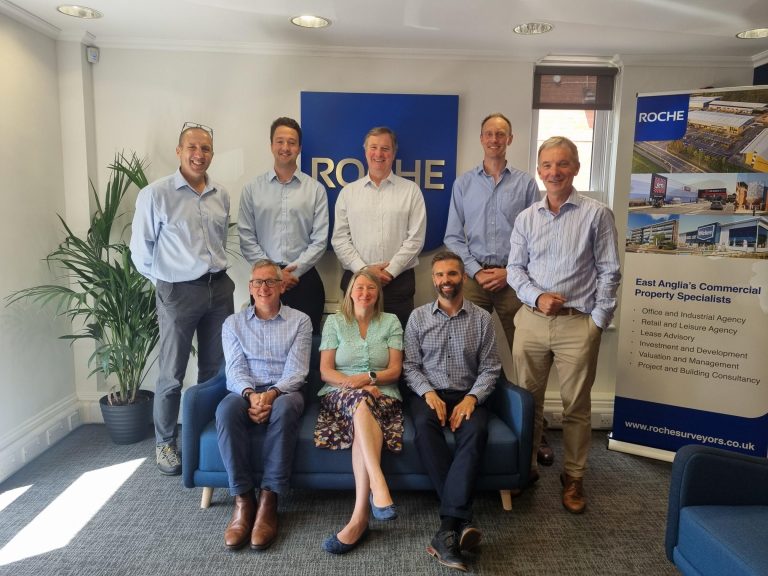
We are excited to share several significant promotions and leadership changes, reflecting the ongoing growth and evolution of our team.
Graham Jones and David Hall, who have both made invaluable contributions as Salaried Partners, have been promoted to Equity Partners. Their elevation to this new role is a testament to their dedication and the pivotal roles they have played in our firm’s success.
In our Agency and Project and Building Consultancy teams, Ben Common and Sam Freakley have been promoted to Senior Surveyors. Ben’s work in the Agency team and Sam’s contributions to the Project and Building Consultancy team have been exceptional, and we are proud to see them step into these senior roles. Additionally, Hiedi Collis has been promoted to the position of Agency Surveyor, further strengthening our Agency team.
We also want to recognise the contributions of James Allen, our longest-serving Partner and former Senior Partner. After many years of outstanding service, James has chosen to step down from his Partner role to take on the position of Consultant. James will continue to serve his existing clients and oversee ongoing projects, ensuring continuity and maintaining the high standard of service that Roche is known for.
Our Managing Partner, Sam Kingston, says: “These promotions highlight the depth of talent within Roche and our commitment to recognising and rewarding the hard work and achievements of our team members. I am delighted to welcome Graham and David as Equity Partners and congratulate Sam, Ben, and Hiedi on their well-deserved promotions. We also extend our heartfelt thanks to James for his remarkable contributions and look forward to his continued involvement as a Consultant.”
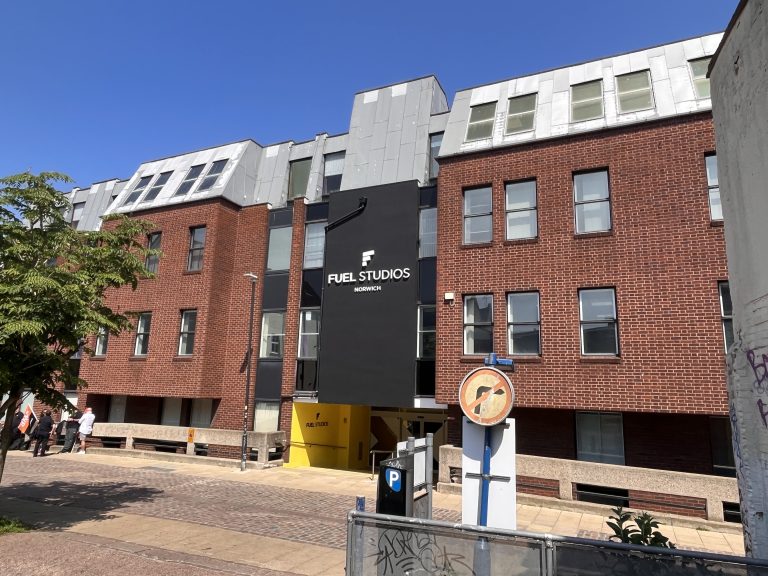
Roche have provided building consultancy advice at the property over a number years, including overseeing a number of major refurbishment projects, renewal of major mechanical and electrical services and planned maintenance. Due to this relationship, Roche have unique insight and knowledge of the property.
The owners of the property have taken the decision to sell the freehold of the property and wanted to provide a comprehensive seller’s pack to any interested parties. David Hall MRICS, the partner heading Roche’s Project and Building Consultancy team undertook a full RICS compliant due diligence survey of the property, teaming up with external Mechanical and Electrical engineers to provide a report.
The client now has a fully detailed set of information to provide to any interested parties and give them a realistic view of the property, the issues it faces and the works required in the future to keep the property in good condition and compliant with all legislation and regulations.
David Hall said, ‘The property is large and complex with many challenges, our background knowledge of the property meant we were uniquely positioned to provide an in depth report providing a rounded picture of the condition and challenges the building faces. The speed of response from Roche and the team of consultants was important to meet the client’s tight time frames’.